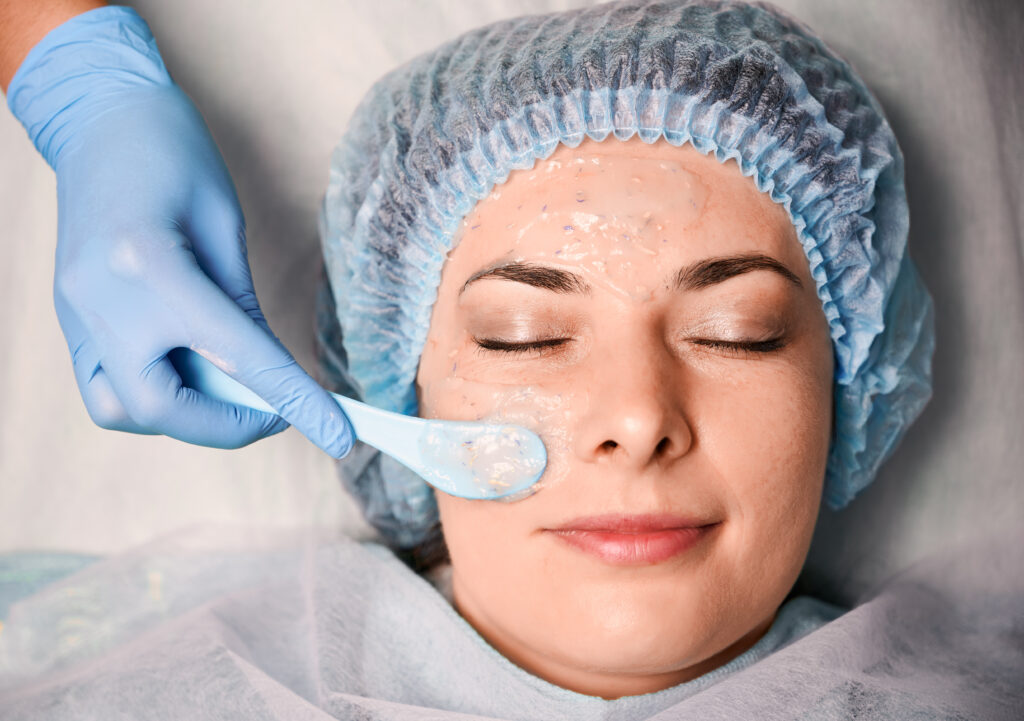
Chemical peels are commonly recommended for acne, but they are not a one-size-fits-all solution. In clinical practice, a chemical peel for acne works well only in specific situations—and fails when used incorrectly or for the wrong acne type.
If you are considering chemical peeling in Chennai, understanding when peels help and when they don’t is essential to avoid disappointment and skin damage.
A chemical peel for acne works by:
Reducing excess oil
Unclogging pores
Improving skin cell turnover
Reducing acne-causing bacteria on the surface
In dermatology, peels are primarily used as a supportive treatment, not a standalone cure.
When used correctly, chemical peeling in Chennai can significantly improve certain types of acne and prevent new breakouts.
A chemical peel for acne is effective when acne is:
Whiteheads
Blackheads
Small inflammatory pimples
Peels help clear pores and reduce oil, making them effective in early or controlled acne.
This is where chemical peeling in Chennai works best. Salicylic and glycolic peels penetrate pores and reduce congestion.
Peels help regulate oil production, which reduces the environment where acne bacteria thrive.
While peels do not treat deep scars, they help:
Fade acne marks
Improve uneven tone
Smooth surface texture
A chemical peel for acne is not suitable when:
Deep, painful cystic acne needs medical treatment, not surface procedures. Peels alone will not control hormonal or nodulocystic acne.
Applying peels on highly inflamed acne can:
Irritate the skin
Worsen redness
Increase pigmentation risk in Indian skin
In such cases, chemical peeling in Chennai is postponed until inflammation is controlled.
If acne is due to:
Hormonal imbalance
PCOS
Improper skincare
Stress or medications
Peels alone will not give lasting results.
In Indian skin, incorrect peels can cause:
Post-inflammatory hyperpigmentation
Burns
Increased sensitivity
This is why chemical peeling in Chennai should always be:
Skin-type specific
Strength-controlled
Spaced correctly
A dermatologist decides:
Which acid to use
What concentration is safe
How many sessions are needed
For acne control:
3–6 sessions are commonly required
Sessions are spaced 2–4 weeks apart
A chemical peel for acne shows gradual improvement, not instant clearance.
At Venus Skin Clinic, chemical peels are used only after proper acne evaluation.
The approach to chemical peeling in Chennai includes:
Identifying acne type
Controlling active inflammation first
Using peels as part of a larger acne management plan
This prevents misuse and improves outcomes.
You may benefit from a chemical peel for acne if:
Your acne is mild to moderate
You have oily, congested skin
You are left with acne marks
You want better long-term control
Chemical peels work best when used at the right time for the right acne type.
📍 Venus Skin Clinic, Nungambakkam, Chennai
📞 Call / WhatsApp: +91 77700 02118
⏰ 11 AM – 8 PM (Mon–Sat)
👉 Book a Consultation to See If Chemical Peeling Is Right for Your Acne
A chemical peel for acne can be highly effective—but only when used correctly. With dermatologist-planned chemical peeling in Chennai, you get improvement without unnecessary risk.
 Benefits of Chemical Peels for Acne Scars
 Benefits of Chemical Peels for Acne Scars
 Chemical Peels vs. Laser Treatment: Which Is Better for Acne Scars?
 Venus Skin Clinic’s Ultimate Guide to Transformative Chemical Peels
 Customized Chemical Peels for Diverse Skin Types: The Personalized Approach at Venus Skin Clinic
 The Truth About Permanent Hair Removal at Home: Why Natural Remedies Don’t Work
 Acne Scars vs. Acne Marks: What’s the Difference & How to Treat Them
 The Chemical Peel Process: Day by Day Recovery and Insights
 ✨ Chemical Peel for Skin Whitening – Glow Like Never Before!
 Chemical Peel for Pigmentation: Say Goodbye to Skin Imperfections!
 Venus Skin Clinic, Chemical Peeling Chennai
 Chemical Peeling Cost in Chennai – Prices, Benefits & Best Clinics
