
Are you tired of battling persistent pigmentation issues that mar the beauty of your skin? Does uneven skin tone or those pesky dark spots make you wish for a magic solution? If so, you’re in the right place! The “chemical peel for pigmentation” is here to your rescue.
In this comprehensive guide, we’ll dive deep into the world of chemical peels and explore how they can effectively address pigmentation problems, ultimately leaving you with radiant and flawless skin.
Before we dive into the specifics of using chemical peels for pigmentation, it’s essential to understand the science behind these remarkable treatments. A chemical peel is a cosmetic procedure that involves applying a chemical solution to the skin, which causes it to exfoliate and peel off. The result? Fresh, rejuvenated skin that’s free from blemishes and pigmentation issues.
Pigmentation issues are a common skin concern for many individuals. Whether it’s melasma, sunspots, or post-inflammatory hyperpigmentation, these imperfections can be quite stubborn. The good news is that chemical peels can be a game-changer in addressing pigmentation problems.
Glycolic acid peels are like a zesty burst of citrus for your skin. They are made from sugarcane and are known for their ability to exfoliate and rejuvenate the skin. These peels are particularly effective for addressing mild pigmentation concerns.
If you’ve battled with acne and are left with stubborn marks, salicylic acid peels can come to your rescue. These peels are often used to treat both acne and pigmentation issues, making them a versatile choice for many.
Trichloroacetic acid (TCA) peels are renowned for their versatility. They can be tailored to address a wide range of skin concerns, including moderate pigmentation issues. TCA peels come in various concentrations, making them suitable for different skin types.
Before you undergo a chemical peel for pigmentation, there are a few essential steps to ensure a successful procedure and minimize potential risks.
Schedule a consultation with a qualified dermatologist or skincare professional to discuss your concerns and determine the most suitable type of chemical peel for your skin.
Follow the skincare regimen recommended by your provider. This may include using specific products to prepare your skin for the peel.
It’s crucial to protect your skin from the sun in the weeks leading up to the procedure. Sunscreen is your best friend.
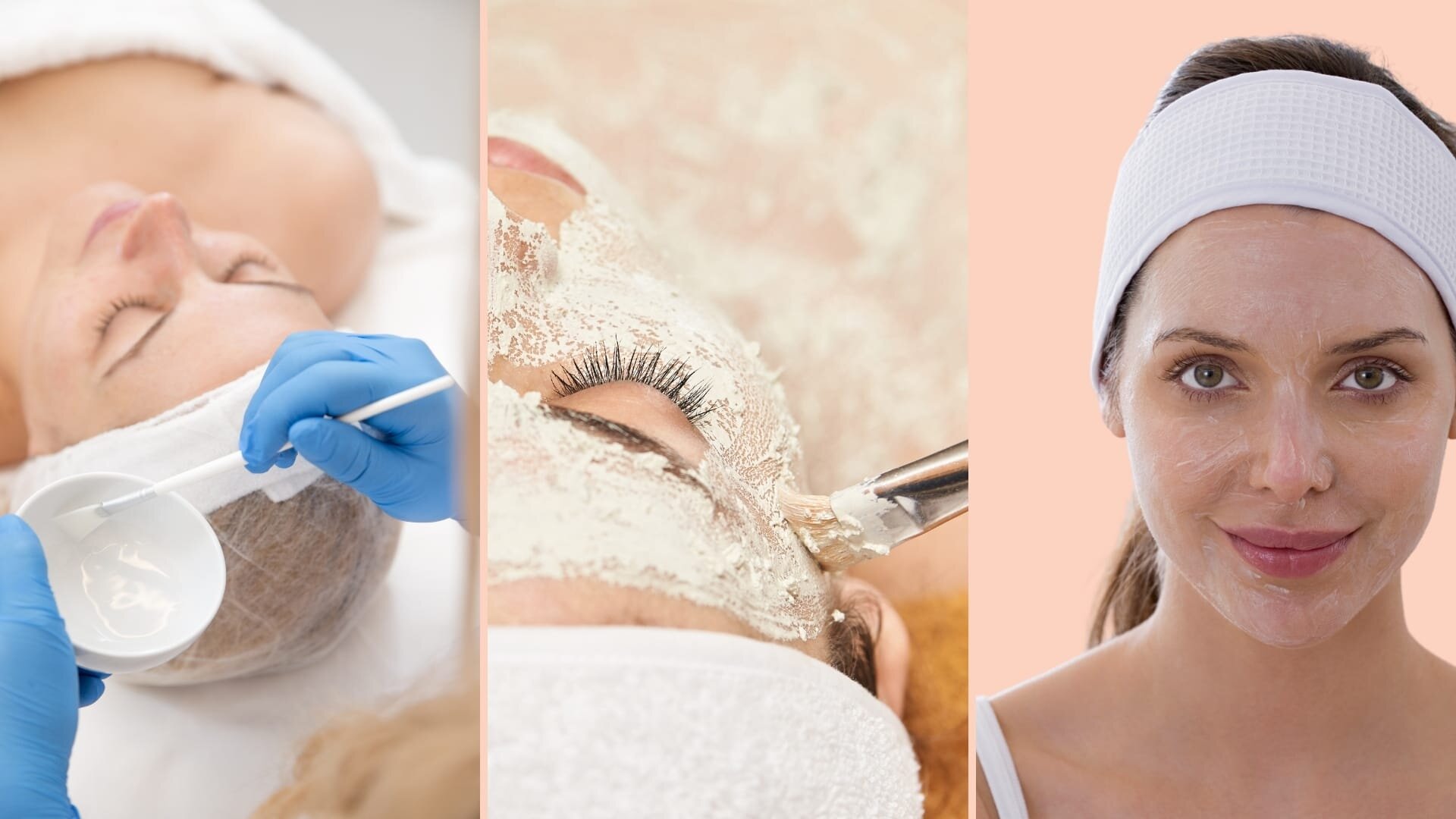
The day of your chemical peel has arrived, and you’re ready to bid farewell to pigmentation issues. Here’s what to expect during the procedure:
Your skin will be thoroughly cleansed to remove any oils or impurities.
The chemical solution will be carefully applied to your skin, either in one uniform layer or with varying levels of intensity, depending on your specific needs.
You may experience a mild burning or tingling sensation during the peel, but this is generally well-tolerated.
Once the chemical peel is complete, it’s essential to follow post-peel care instructions to ensure the best results and minimize any potential side effects.
Protect your newly treated skin from the sun at all costs. Use sunscreen and wear protective clothing.
Keep your skin well-hydrated with a non-comedogenic moisturizer recommended by your provider.
Some peeling and redness are expected, but this is temporary and part of the process. Avoid picking at your skin.
As your skin begins its journey to renewal, you’ll experience some changes during the recovery period:
The outer layer of your skin will shed, revealing fresher, more even-toned skin underneath. This process may take several days to a week, depending on the depth of the peel.
You might experience redness, which is normal and should subside within a few days.
Your skin will be more sensitive to the sun during the healing process, so strict sun protection is crucial.
Recovery times can vary depending on the type of chemical peel you’ve undergone and your skin’s response. It’s essential to be patient and allow your skin to heal naturally. Rushing the process can lead to complications, so take it slow.
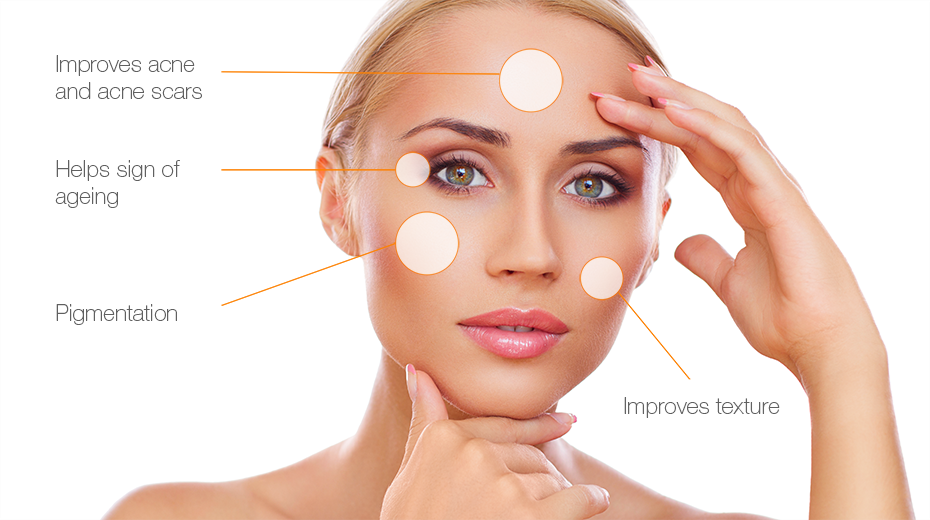
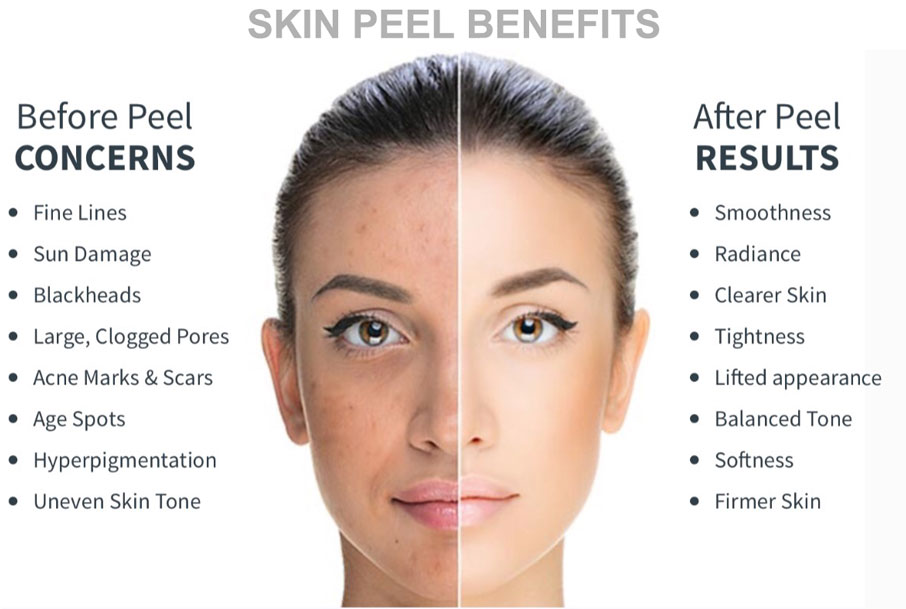
The primary benefit of using a chemical peel for pigmentation is achieving flawless, even skin. The removal of pigmented skin cells and the stimulation of new cell growth lead to a brighter and more uniform complexion.
Chemical peels are not just for pigmentation issues. They can also help reduce the appearance of fine lines and wrinkles. By promoting collagen production, they contribute to a more youthful appearance.
If you struggle with rough or uneven skin texture, chemical peels can help. They leave your skin feeling smoother and more refined.
With the outer layer of dead skin cells removed, your skincare products can penetrate deeper into the skin, making them more effective.
The “chemical peel for pigmentation” is indeed a remarkable solution for those seeking to rid themselves of stubborn pigmentation issues. Whether it’s sunspots, melasma, or acne-related pigmentation, chemical peels offer a path to radiant, flawless skin.
With various types of chemical peels available and the guidance of experienced skincare professionals, you can embark on a journey to transform your skin. Remember, patience is key, and proper post-peel care is essential to ensure the best results.
So, if you’re ready to unveil the magic of a chemical peel for pigmentation, schedule a consultation with a trusted provider and embark on your path to a more beautiful you!
 Effective Chemical Peel for Pigmentation – Venus Skin Clinic
 Achieve Radiant Skin: Premier Chemical Peel Treatment in Chennai by Venus Skin Clinic
Chemical Peel Benefits: Rejuvenate Your Skin with This Effective Treatment
Achieve Radiant Skin: Premier Chemical Peel Treatment in Chennai by Venus Skin Clinic
Chemical Peel Benefits: Rejuvenate Your Skin with This Effective Treatment
 Comprehensive Guide to Chemical Peel Treatment Cost at Venus Skin Clinic, Chennai
 Chemical Peel Before and After: Transform Your Skin | Venus Skin Clinic
 Benefits of Cosmelan Peel for Pigmentation
 The Chemical Peel Process: Day by Day Recovery and Insights
 Chemical Peel Side Effects
 Pigmentation Treatment in Chennai at Venus Skin Clinic: Achieve Glowing, Even Skin Tone
 Glycolic vs. Salicylic peel: Which one suits your skin?
 Discover Radiant Skin with Chemical Peeling Near You at Venus Skin Clinic
 Customized Chemical Peels for Diverse Skin Types: The Personalized Approach at Venus Skin Clinic
